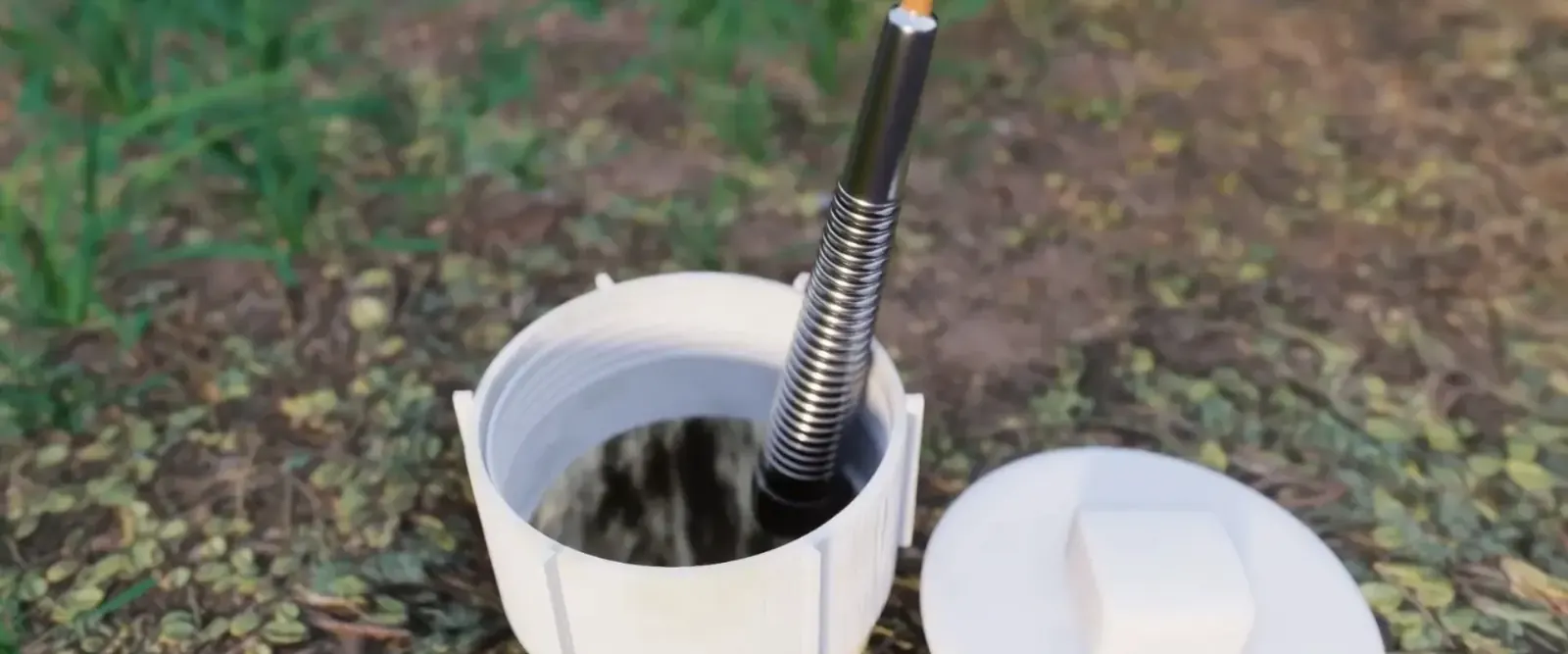
What a sewer camera finds in the pipe
The head carries a light and a lens, and the plumber watches the screen as it advances.
Roots
Fine hairs or thick masses entering at a joint, which shows where water is getting in and how far they reach.
Sags and bellies
A low spot where water pools instead of draining, often seen as standing water in the picture.
Cracks and breaks
Lines along the pipe, missing sections or a collapse that stops the camera.
Offset joints
Pieces that no longer line up, which catch paper and invite roots.
Buildup
A coating of grease, scale or sludge that narrows the pipe.
Buying a home, or a drain that keeps backing up
A house inspection normally does not include the buried sewer lateral. Census data shows about 16% of Jenks homes were built before 1980, so a buyer eyeing one of the older pockets near downtown may want to see clay or cast iron before closing. For a newer home, the camera still catches builder-installed low spots, offset joints or construction debris.
The other common reason is a line that backs up on repeat. Clearing it with a cable gets water moving, and the camera finds why it stopped. See sewer line cleaning for how the line is opened first.
Locating the line
A camera with a transmitter in the head lets a locator at the surface trace the pipe and its depth. That helps you avoid it when planning a patio, fence post or addition, and helps the plumber dig the right spot for a repair.
What a recording does and does not prove
A video is strong evidence, but it is not a guarantee.
What it shows well
- Roots, cracks and offsets visible on camera
- Standing water in a sag at the time of the run
- Where the pipe turns, joins or ends
- Condition of the pipe up to the camera's reach
What it cannot tell you
- Whether a root will cause a backup next year
- Anything past a blockage or collapse that stops the camera
- A hairline crack that looks clean on video
- Who legally owns the section, which is a question for the city
Treat the recording as a snapshot. It is the best view available of a buried pipe, and it should be read alongside the age and material of the home.
Findings and next steps
What the camera shows decides what happens next.
| Finding | What it means | Typical next step |
|---|---|---|
| Clean pipe, good slope | Sound line today | Nothing needed |
| Grease or scale coating | Cleaning is due | Jetting, see hydro jetting |
| Fine roots at a joint | Joint is leaking | Cut roots, plan a spot repair |
| Bellied section | Water pools and solids settle | Repair or replace that section |
| Cracked or collapsed pipe | Line is failing | See sewer line repair |
Findings change with the pipe. Ask the plumber to show you each frame.
What happens on inspection day
A typical visit is short and nothing is dug up.
Reach the line
The plumber uses a cleanout where there is one, or pulls a toilet or enters through a vent if there is not.
Run the camera
The rod is fed in toward the street while the plumber watches and notes distance to each feature.
Mark and locate
Where something is found, a locator at the surface marks it so a repair can be planned.
Review the picture
You see the screen, hear what was found and ask questions before any repair is discussed.
Camera before cleaning, or after
On a clog that has not been cleared, the camera may not get through. On a clear line, a quick run first shows whether jetting is safe. Many plumbers clear the line first, then film, so ask which order fits your situation.
What affects inspection cost
Price depends on access and length, and the plumber gives you the number before the camera goes in.
Insurance seldom pays for an inspection, though a repair after a sudden covered loss may be considered. Policies differ, so read yours.
Sewer camera questions in Jenks
No. The rod is flexible and the camera is small. It only goes in as far as the line is clear.
It is worth asking about, especially for a house built before 1980. A standard home inspection rarely covers the buried line.
Yes, with a transmitter in the camera head and a locator on the surface. Mention it on the call if locating is the main reason.
A blockage, collapse or tight offset can stop it. The plumber notes where it stopped. That point is itself a finding.
Ask when you call about what comes with the visit. Recordings are useful to show a seller or a second plumber.
Cleaning is covered under sewer line cleaning, and breaks are repaired. For the public main, call Jenks Public Works. We serve Kiefer and nearby towns too.
Call with your questions and we will explain the options. Call (855) 575-2890